







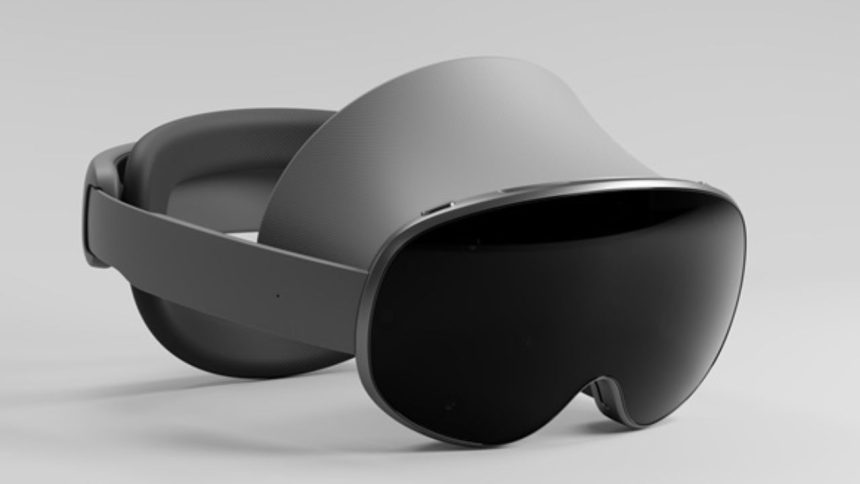
Google is preparing Android for the next big chapter in consumer tech: extended reality. The company has quietly added a dedicated XR section to the Google Play Store, signaling a major shift toward supporting virtual and mixed reality hardware—including the highly anticipated Samsung Galaxy XR headset.
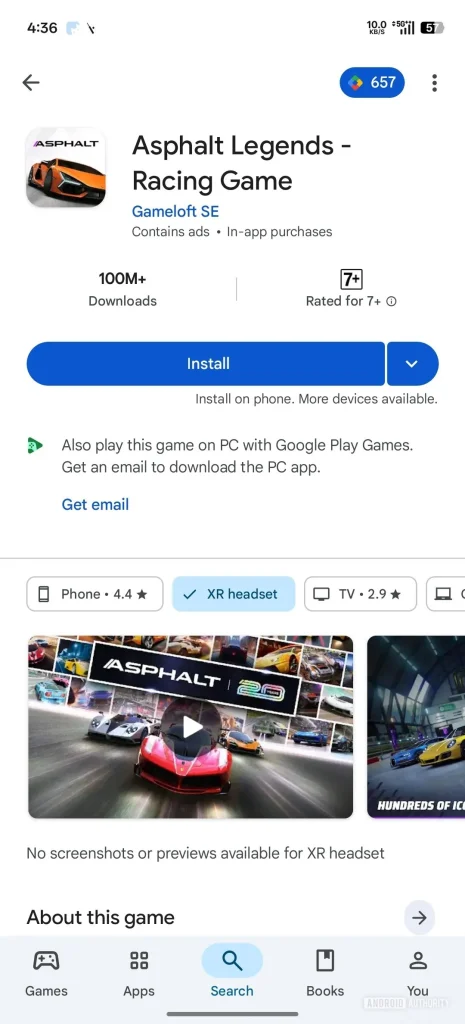
The update brings a more organized approach to XR content discovery. Until now, the Play Store offered compatibility labels for phones, tablets, Wear OS watches, and Android Auto. With the latest change, a new “XR headset” compatibility chip now appears under app listings. Tapping it shows XR-specific screenshots, reviews, and device compatibility details, making it easier for users to identify immersive-ready apps before installing them.
A New Category for a New Era
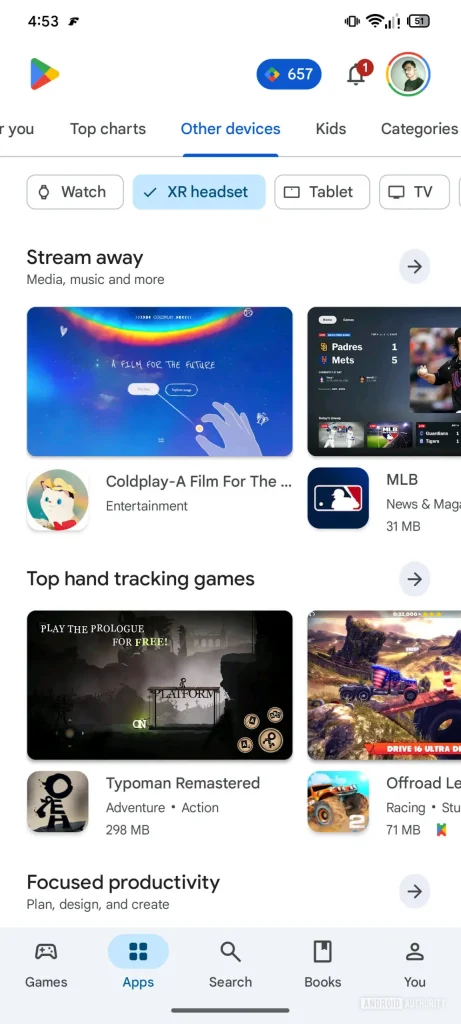
Beyond the UI tweak, the Play Store has expanded its navigation structure. Both the Apps and Games tabs now include a dedicated XR section under the “Other devices” filter. This creates a centralized hub for discovering apps built specifically for virtual and mixed-reality experiences.
The timing of this enhancement isn’t coincidental. Google is working closely with Samsung and Qualcomm on a new XR ecosystem, with Samsung expected to debut the first flagship Android XR headset in the coming months. The Play Store addition ensures the device won’t launch with a limited selection, addressing a common challenge faced by emerging platforms.
Positioning Android for the Next Platform Shift
This update shows that Google isn’t treating XR as a niche experiment—it’s preparing the Play Store and Android ecosystem as if XR could become the next smartphone-level platform.
By improving discoverability and creating space for immersive content before new hardware hits shelves, Google is laying the groundwork for developers, early adopters, and mainstream users alike.
With the XR section now live globally, it’s clear: Google wants Android to be ready when the extended-reality boom begins—rather than scrambling after the fact.