








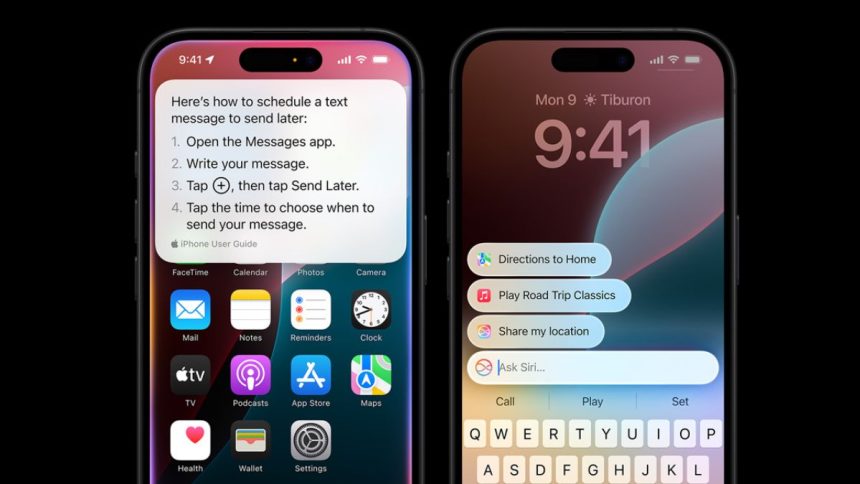
Apple’s annual WWDC 2024 stirred excitement with a glimpse of Siri’s future, promising to transform everyday iPhone interactions through artificial intelligence. While headlines fixated on Apple’s postponed feature allowing Siri to draw information from messages, emails, and photos, a deeper narrative is unfolding: the pending launch of “App Intents” could reshape how millions use their devices, with advanced voice-driven control that spans apps, services, and workflows.
Beyond Missed Promises: App Intents Unleashed
Apple’s Siri, introduced over 15 years ago as a voice-first assistant, will soon be able to do much more than simply set reminders or send texts. According to reports, the revamped “App Intents” system under testing aims for in-depth in-app voice control. Envision Siri editing and sharing photos, commenting on social media, adding products to shopping carts, even logging into services — all by voice command. This feature marks a significant leap toward the seamless, hands-free iPhone experience that Apple has long envisioned.
Why the Delay? Accuracy Over Hype
This breakthrough hasn’t come without setbacks. The anticipated ability for Siri to build travel itineraries by mining user content — first shown at WWDC and featured in a high-profile Bella Ramsey commercial — was quickly pulled, resulting in a false advertising lawsuit and fueling speculation over the technology’s reliability. Now, Apple’s Global Data Operations group is redoubling efforts on accuracy testing, delaying the launch until spring 2026, scheduled for iOS 26.4. The delay is strategic: Apple wants to ensure trust and error-free operation, particularly before deploying the technology in new hardware products like a smart display and a tabletop robot, whose launches hinge on Siri’s performance.
Engineering Hurdles: Coverage and Safety
Apple faces two main challenges before this new Siri can deliver on its promises:
- App Coverage: Siri needs robust compatibility with third-party apps, not just Apple’s ecosystem mainstays.
- Accuracy in Sensitive Categories: Any mistake in critical domains — like banking or health — could have serious real-world consequences. Apple reportedly intends to restrict Siri’s reach within these categories until reliability is proven.
Right now, testing spans apps like Uber, AllTrails, Threads, Temu, Amazon, YouTube, Facebook, WhatsApp, games, and Apple’s own applications. But only when Apple is confident in Siri’s precision will the voice-first future be fully realized.
A New Interface for the Apple Ecosystem
Industry watchers see “App Intents” as more than just an AI upgrade; it is a blueprint for a universal voice interface for iPhones and Apple’s next-gen hardware. If successful, Apple could create a new way to interact with technology — one built for smart displays, tabletop robots, and beyond.
Apple’s slow and careful rollout reflects lessons learned from Siri’s early missteps. The company is betting that the mature, accurate version of voice control will be a sleeper hit, not just for novelty, but as the backbone of a more natural relationship between human and machine.