








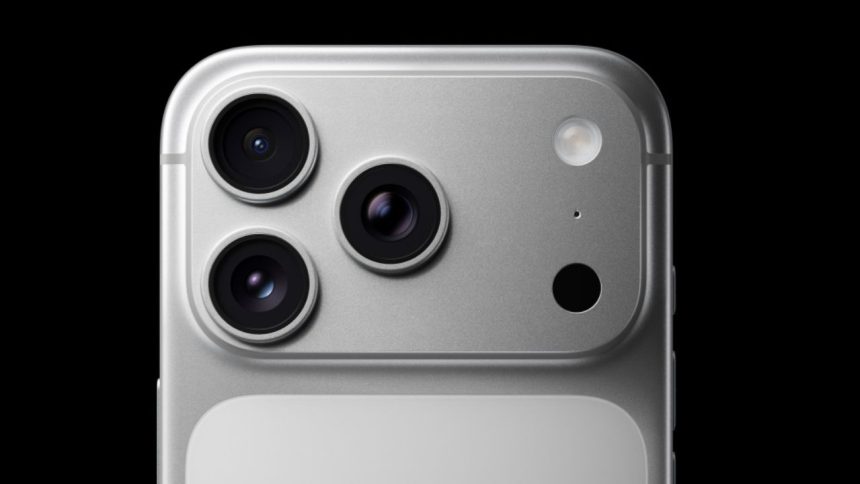
Apple is reportedly gearing up to equip its iPhone 18 Pro and iPhone 18 Pro Max models with the next-generation in-house 5G modem, dubbed the Apple C2. Following the debut of the company’s first modem, the C1, inside the iPhone 16e, and its enhanced variant the C1X in the iPhone Air, the C2 is expected to be the first flagship-grade modem designed by Apple. This new cellular chip is anticipated to bring significant improvements such as 5G mmWave network support — a feature missing in the earlier generation modems.
Industry insider Mark Gurman of Bloomberg reported that Apple’s C2 modem will offer advanced features, including faster download speeds, improved power efficiency, and extensive carrier aggregation capabilities, aiming to match or surpass Qualcomm’s flagship Snapdragon X85 modem used in many leading Android smartphones. The adoption of the C2 modem in the Pro lineup signals Apple’s commitment to deepening control over its hardware ecosystem and potentially phasing out its dependence on Qualcomm’s modems for high-end iPhones.
That said, Apple’s transition is not without challenges. The previous C1 and C1X modems lacked support for mmWave 5G, critical for the US market, which compelled Apple to rely on Qualcomm for the iPhone 17 Pro series. The C2 modem’s inclusion of this technology aims to close this gap, delivering enhanced connectivity and lower power consumption while handling demanding 5G tasks.
While there is no confirmation yet about whether the standard iPhone 18 or the rumored iPhone 17e will adopt the C2 modem, reports suggest that they might continue using the C1X modem or retain Qualcomm components for connectivity. Moreover, Apple plans to integrate this new modem technology alongside its new A20 series processors expected to launch alongside the iPhone 18 Pro models in 2026.
Overall, the iPhone 18 Pro’s shift to Apple’s proprietary C2 modem represents a major step in the company’s ongoing strategy to vertically integrate its chip development, promising users flagship-level 5G performance and ultimately tighter hardware-software synergy.