








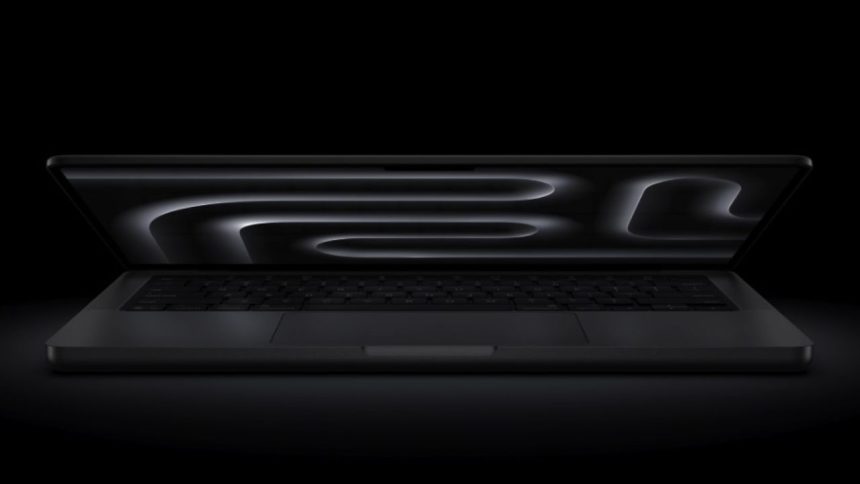
Apple is preparing a major redesign of the MacBook Pro that will see the company finally embrace touch input and OLED display technology. According to Bloomberg’s Mark Gurman, the new models — codenamed K114 and K116 — are expected to debut in late 2026 or early 2027, powered by Apple’s next-generation M6 chips.
New Design and Display
The touch-screen MacBook Pro will be Apple’s first notebook to feature a touch-sensitive OLED panel, offering richer contrast, thinner bezels, and a much sleeker build. The long-standing top notch will reportedly be replaced by a hole-punch camera, similar to the Dynamic Island design on iPhones. Apple is also developing reinforced hinges and screen hardware to ensure stability during touch interactions, addressing the wobbling often seen in other touch-enabled laptops.
Performance and Hardware
Apple’s new M6 chip will deliver improved performance and efficiency, following the M5 series launched in 2025. The OLED MacBook Pro is expected to launch in 14‑inch and 16‑inch variants, both being lighter and thinner than current versions. Due to their premium components and redesigned chassis, pricing is expected to start a few hundred dollars higher than existing models.
Why Apple Changed Its Mind About Touch
Apple has historically avoided touchscreens on Macs, maintaining that the ergonomics weren’t suited for laptop use. Earlier experiments like the Touch Bar failed to gain traction. However, the success of the iPad Magic Keyboard and growing demand for hybrid touch laptops in the PC industry appear to have shifted Apple’s stance. The move may also help the company reignite Mac sales amid slowing iPad adoption.
Future Plans and Market Strategy
Alongside the OLED MacBook Pro, Apple is expected to release MacBook Air models with M5 chips, as well as refreshed Mac Studio, Mac mini, and external Mac displays. The company is reportedly exploring Face ID integration for Macs, though this upgrade remains a few years away.
Apple will reportedly gauge user reception for the touch-screen MacBook Pro before expanding touch capabilities across its Mac lineup, a strategy consistent with its gradual approach to introducing premium technologies.
In short, by merging OLED visuals, touch functionality, and Apple Silicon M6 power, the next MacBook Pro could usher in a new era of interactive Mac computing.